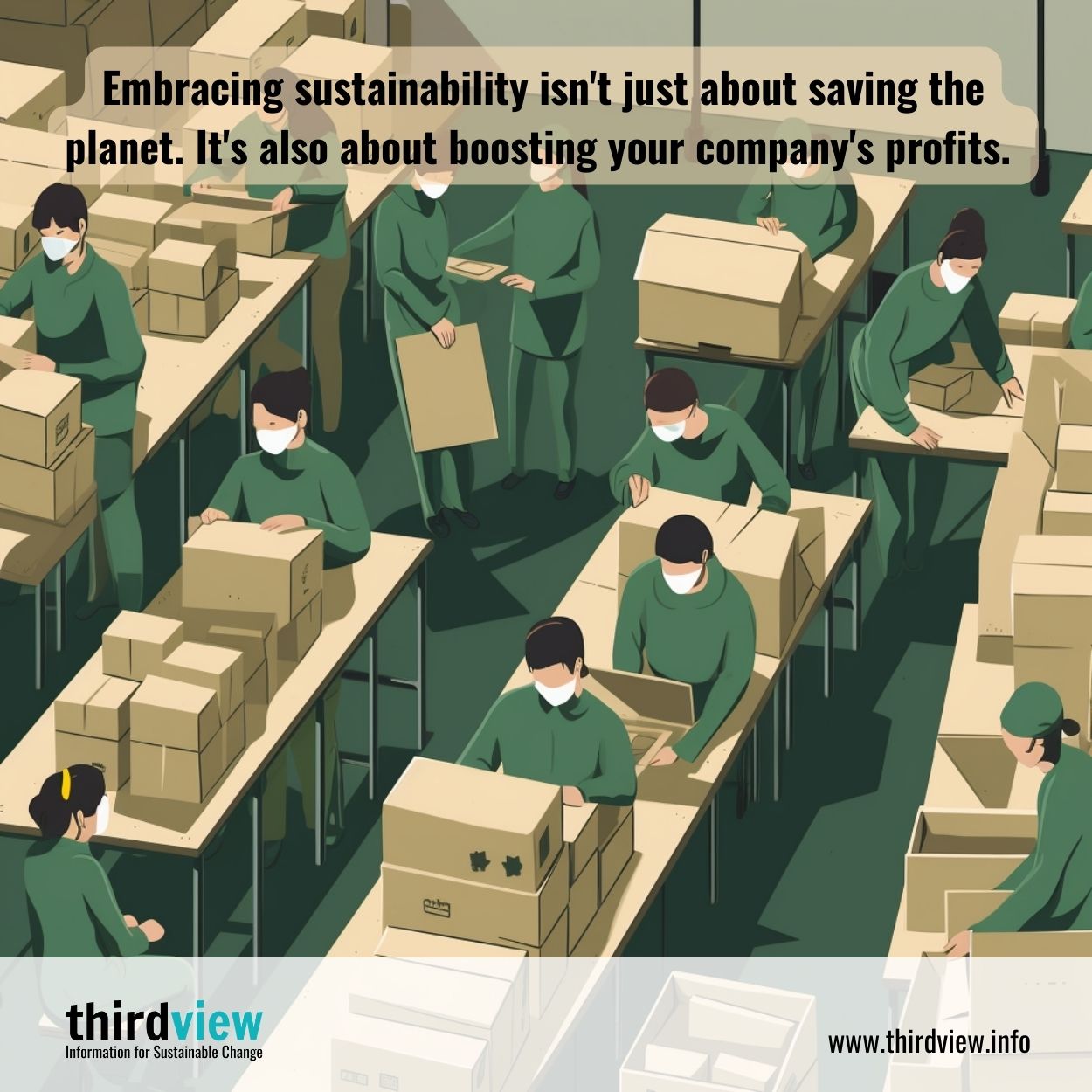
Sustainable consumption and production have become buzzwords in recent years, and rightfully so. By countries, companies, and individuals adopting these patterns, we can create a sustainable future where our natural resources are preserved. However, businesses worldwide are struggling with deciphering the right way to implement these practices. Sure, using energy-efficient lighting, conserving water, and reducing waste has become the baseline, but businesses worldwide need to adopt lesser-known sustainable consumption practices. In this post, we discuss lesser-known ways that businesses can adopt sustainable consumption and production patterns.
Sustainable Procurement
Sustainable procurement is a way of selecting products and services that reduce environmental harm and social exploitation through their lifecycle. Implementing sustainable procurement in your business saves your company money in the long run while reducing its environmental impact. This way, your company can create a positive environmental footprint while reducing costs. Sustainable procurement can be achieved by paying close attention to procurement policies, contracts, and tendering processes. Ensure your business selects suppliers who share your sustainability goals and emphasize the lifecycle impacts of the products and services you purchase.
Circular economy
The Circular economy is the relationship between production, consumption, and the environment. By producing sustainable products, businesses can reduce their carbon footprint while also being cost-effective. Focus on reusing and repurposing materials used in the production process. This setup will decrease your carbon footprint while also reducing waste.
Employee involvement
Encouraging sustainable consumption and production patterns in employees can be one of the game-changers in your company’s sustainability culture. Educate employees on the small changes they can make in the office or in their daily lives that will help the planet. Consider launching green initiatives and providing resources to employees to adopt sustainable practices. You’ll create a sustainable culture within your employees and your business.
Green technology
Technology can be used to choose sustainable consumption and production patterns. Virtual meetings and teleconferences can reduce air travel, which is often a significant carbon footprint. Implementing a “paperless office” where almost all the documentation is electronically filed away and taking advantage of energy-saving features in technology devices is also an excellent way to integrate sustainable consumption into business practices.
Meet your stakeholders’ needs
To achieve sustainability goals, businesses must consider the demands of all stakeholders – customers, shareholders, and suppliers. Understanding what your stakeholders need and want can reduce your carbon footprint while maintaining financial success. Use customer feedback before choosing suppliers or making any sustainability-related change in your business.
Integrating sustainable consumption and production patterns into business practices can seem like a daunting task, but by using these methods, we can make the transition more accessible and effective. Sustainable procurement, circular economy, employee involvement, green technology, and meeting stakeholders’ needs are lesser-known methods that businesses worldwide can adopt to reduce their carbon footprint while maintaining financial success. Sustainable practices can not only improve the environment and reduce business expenses, but they can also inspire and attract customers. The time to integrate sustainable consumption and production patterns into business practices is now. It’s never too late to start.